TL;DR
- Dataset bias is a gap between your training data and the conditions your model meets in production.
- Bias enters at five points: sampling, measurement, label design, annotator habits and historical patterns.
- Rebalancing the raw pool fixes sampling bias, but label and annotator bias need controls inside the labeling workflow.
- Majority voting cuts one annotator's influence, but it can flatten real disagreement and lock in a shared blind spot.
- Dataset-level bias audits run on exported data. Label-production controls are a separate job.
At a US academic hospital, a health care algorithm picked which patients got extra help. A 2019 study in Science found it ranked Black patients as healthier than White patients who were equally sick. Black patients made up 17.7% of those flagged for extra help, and ranking by health instead of cost would raise that to 46.5%.
The study left the product unnamed, but Science News and other outlets identified it as Optum’s Impact Pro. Optum worked with the researchers on a fix and has said health systems use many inputs besides cost. The cause was the label: the algorithm predicted health care costs as a stand-in for illness, and less money is spent on Black patients with the same level of need. That’s dataset bias.
The same mechanism shows up in LiDAR, video, audio, and text datasets, and the labeling step often goes unchecked. Every label comes from a person following a spec, and both bring assumptions with them.
This guide covers what dataset bias is, the five types you'll run into, examples from vision and language models, how to detect it and which fixes belong in the labeling workflow, where a data ops lead has the most control. If you manage data labeling quality for a computer vision, robotics, or LLM team, the later sections are aimed at you.
What is dataset bias in machine learning?
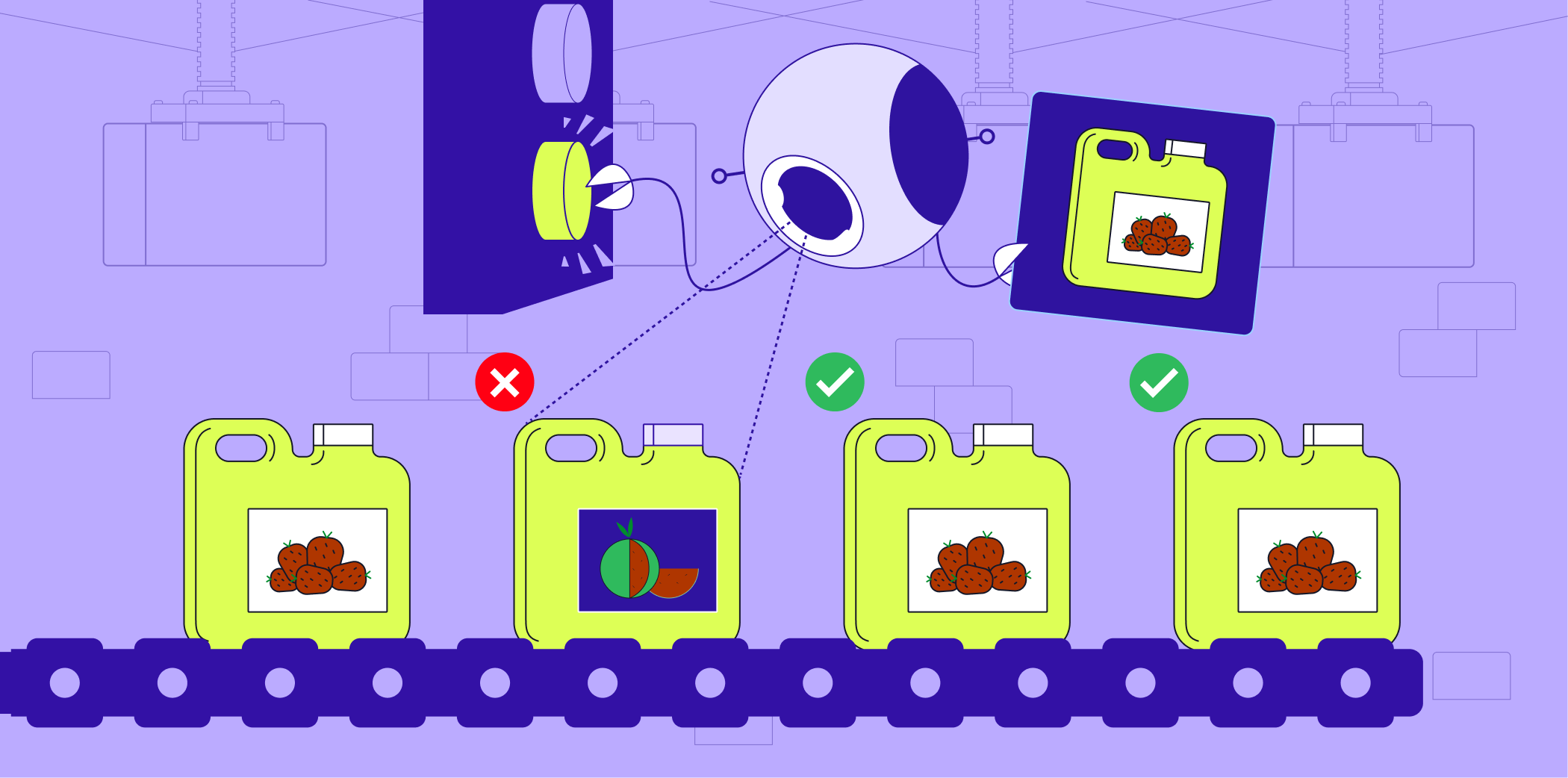
Dataset bias is a systematic mismatch between the data a model trains on and the people, places and conditions it will serve in production. The model learns the patterns it's shown, so its accuracy is uneven. It performs well on what the data covers and poorly on what the data leaves thin.
This is how training data causes AI bias. A model minimizes its average error across the examples it sees, so whatever dominates the data dominates what the model learns. Groups, classes or conditions that appear rarely get less of that attention, and the gap only shows up when you slice results by group.
You'll also see this called data bias. The terms overlap, but dataset bias points at a specific artifact: the collected and labeled set you trained on. It sits upstream of algorithmic bias, so swapping the model architecture rarely fixes it.
Pro tip: Write down the deployment population before you write the spec. A dataset can't be called skewed until you've defined what it should match.
What are the main types of dataset bias?
Bias doesn't enter in one place. It enters at five points, and each needs a different fix, which is why a single audit at the end misses most of it
Sampling bias
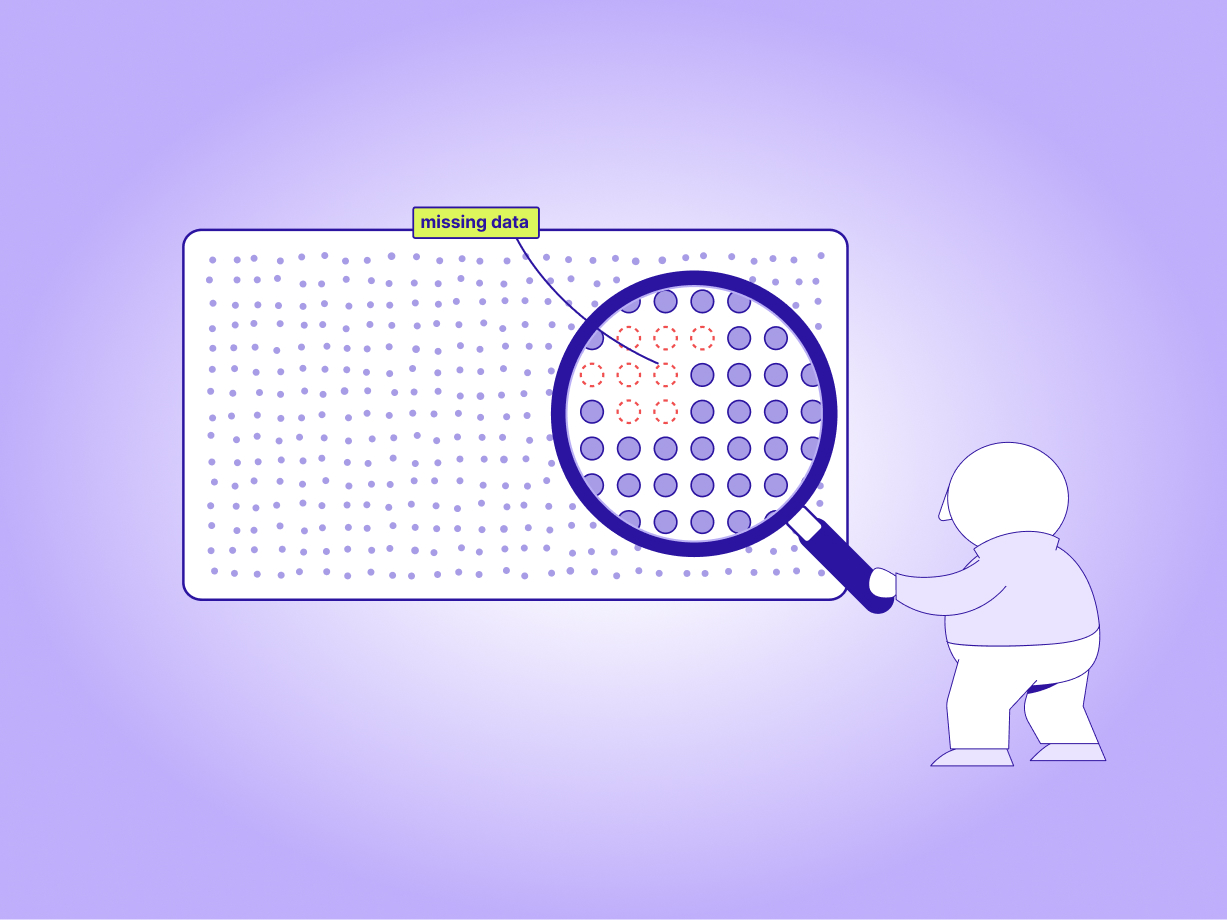
Sampling bias means the collected pool over-represents whatever was easiest to gather. Web scrapes skew toward the countries and languages that publish the most online. If a class or group is thin in the raw pool, careful labeling can't put it back.
Measurement bias
Measurement bias comes from how the data was captured: the sensor, the camera, the site, the compression. A model can learn the capture signature instead of the object. Research on large vision datasets, covered below, shows that models can still tell which dataset an image came from.
Label bias
Label bias comes from the spec. An ambiguous class definition, a culturally narrow example set or an unstated tie-breaker means annotators fill the gaps with their own judgment. The labels look consistent on paper and still encode one reading of the task.
Annotator bias
Annotator bias comes from the people. If a handful of annotators label most of the data, their habits become the dataset's habits. It's easy to miss, because it only shows up if you keep annotator IDs and look at labels per person.
Historical bias
Historical bias is the past leaking into the labels. Amazon’s experimental recruiting engine is the textbook case: Reuters reported that it learned from a decade of mostly male resumes and penalized the word “women’s.” Labeling controls can’t remove it, but your spec can decide whether to label the past outcome or something better.
Dataset bias types: where each enters and where to catch it
See bias in your own labels before you scale
Send a sample batch for a 24 to 48 hour POC. AI pre-labeling, Consensus and qualified reviewers show which classes your spec leaves open.

What do real examples of biased datasets look like in vision and language models?
Vision models
The Gender Shades study tested three commercial gender classifiers and found error rates of up to 34.7% for darker-skinned women, against 0.8% at most for lighter-skinned men. The two face benchmarks it examined were 79.6% and 86.2% lighter-skinned, which shows how a benchmark’s makeup can hide failures for whole groups.
The consequences can be severe. In January 2020, Robert Williams was held for nearly 30 hours after Detroit police matched a low-quality camera still to his license photo, and the city later paid $300,000 and changed its policy. A NIST test of 189 algorithms found false positive rates often varied by 10 to beyond 100 times across demographic groups. NIST’s result doesn’t explain why Williams’s match failed, but it shows the size of the gap that can sit inside a system like this.
Language models
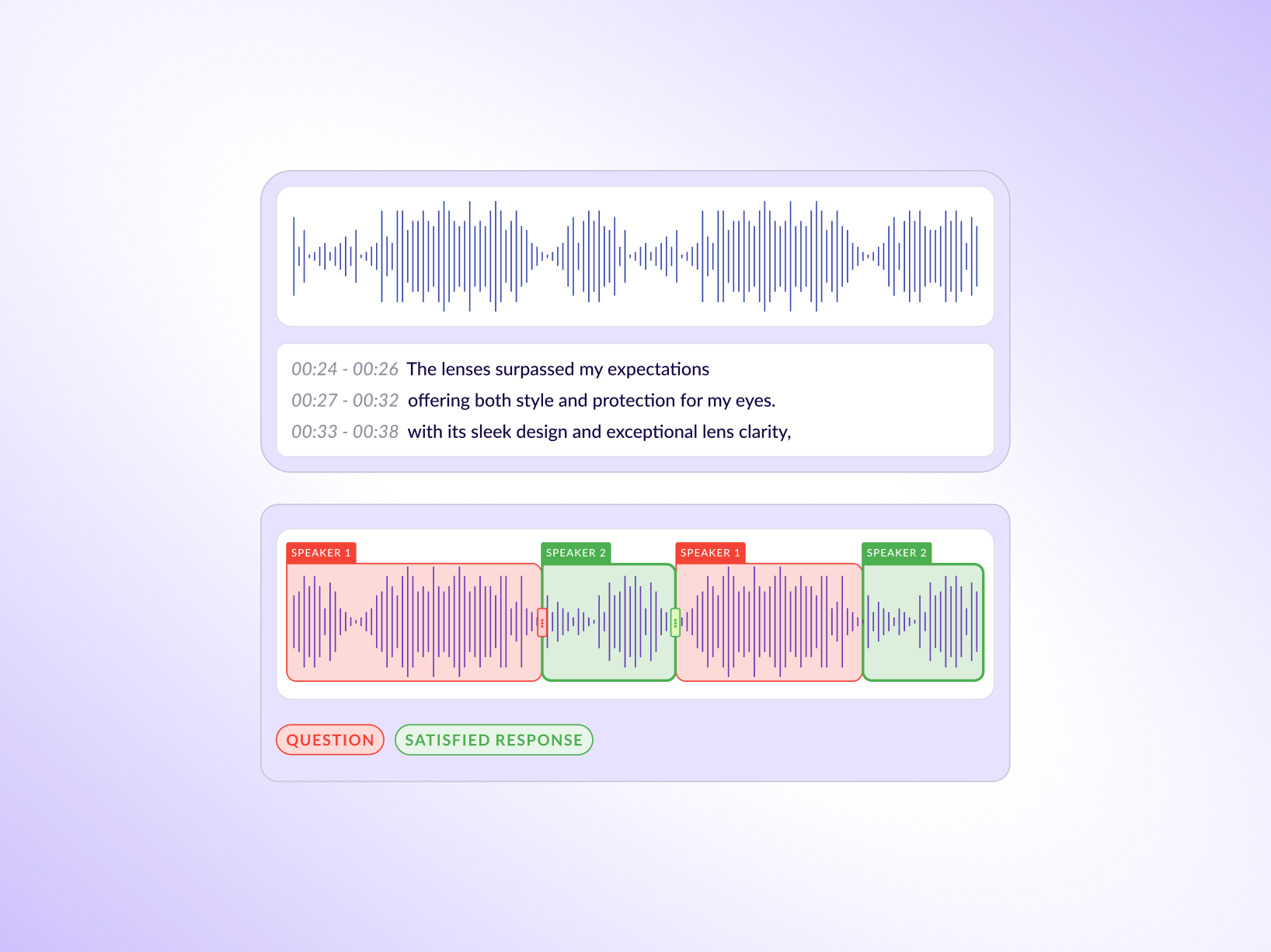
Language data has its own version. A 2019 study of natural language understanding datasets found that a few annotators wrote most of the examples. Its authors recommended monitoring annotator bias during dataset creation and keeping test-set annotators separate from training-set annotators.
Pro tip: Log annotator ID on every label from day one, including in text annotation and LLM evaluation projects. The check in that study only works if you can see who wrote what, and it’s painful to rebuild after export.
How does annotator bias creep into labels, and how do guidelines stop it?
Labeling bias is the umbrella term, and it has two parents: the spec and the people. Label bias lives in the spec. Annotator bias lives in the people applying it.
Bias creeps in wherever the spec leaves a gap. An annotator who has never seen a regional garment, an accent or an industry term will label it by analogy to what they know. Fatigue and anchoring add to it, especially when a model’s pre-label sits on screen and the easy move is to accept it.
Guidelines close the gaps. A good annotation guidelines document names the tie-breaker for every ambiguous case, pairs each rule with a counter-example and is versioned, so a change in the spec is a change you can trace in the data. It also gives annotators a way to ask when the spec runs out, because a silent guess is where bias gets in.
Pro tip: Treat early disagreements as spec bugs before you treat them as annotator errors. If three people split on the same item, the rule is probably missing, not the people.
Build bias controls into every project
AI pre-labeling and workflow orchestration at $60 per active user per month. Add qualified experts through managed services, quoted per project.
How do you detect dataset bias?
Detection is mostly slicing. You're looking for places where the data, the labels or the model's errors differ by group, source or annotator.
- Define the groups that matter: List the populations, regions, languages, sensors or conditions your model will meet, and write them down before you look at the data.
- Count the slices: Compare each group's share in the raw pool, the labeled set and the deployment population. Gaps here are sampling bias.
- Evaluate per slice: Report error by group and by intersection of groups, not just overall accuracy. A single accuracy number would have hidden the gap between 34.7% and 0.8% in Gender Shades.
- Run a source-prediction test: Train a simple classifier to guess which source, site or annotator each item came from. If it beats chance by a clear margin, the data carries a signature your model can exploit.
- Audit the annotators: Check label distributions per annotator and inter-annotator agreement by class and group. A class where agreement drops is usually a spec gap or a perspective the spec ignored.
- Read the disagreement:. Pull the items where annotators split and look for patterns by group or content type. Disagreement is signal, so don't average it away before you've read it.
None of these steps needs a special platform. They run on a labeled export that includes annotator IDs, which is why logging those IDs matters.
How do you fix dataset bias during labeling?
Some fixes belong before labeling and some after. This section covers the ones that live in the labeling workflow, because those are the ones a data ops lead controls day to day.
Rebalance the raw pool
Fixing sampling bias means collecting more of what's thin, not relabeling what you have. Set a minimum share per slice before a batch ships, and top up from targeted collection. Reweighting at training time helps, but it can't create information the pool doesn't contain.
Design the annotator pool
Match annotators to the content they label: language, region and domain. Use routing rules so a task goes to people qualified for it, and keep test-set annotators separate from the people who labeled training data. A diverse pool only helps if you can see per-annotator output.
Add QA checks that look for bias
Standard QA looks for errors. Bias checks look for patterns in the errors. Run Consensus on a sampled share of tasks, seed Golden Data to catch drift and review disagreement by class and group.
If you use AI-assisted labeling, audit how often reviewers accept pre-labels unchanged. A pre-label anchors the annotator and can carry the model's own blind spots into the label.
Keep the spec alive
Version the guidelines, log every change and re-check agreement after each revision. A spec that never changes after launch usually means annotators aren't flagging its gaps.
Which teams need to audit for bias during labeling, and which don't?
You need it when the model’s output affects people or crosses boundaries: faces, voices, medical images, content moderation, LLM evaluation, or robots and vehicles that run across sites and sensors. Teams doing computer vision annotation face it constantly, and it matters whenever annotation is a recurring operation, because small spec gaps compound across batches.
You probably don’t need a formal bias workflow for a one-time dataset with unambiguous labels on a single fixed setup, such as counting parts on one production line. Even then, evaluate per slice before you ship.
How does Taskmonk reduce bias in the labeling workflow?
Most bias controls start after export, when the labels are already ground truth. Taskmonk works on the labeling step itself, where ambiguity turns into labels, and it's built for teams that run annotation as an ongoing operation rather than a one-off job.
Consensus: Majority Vote with a configurable Consensus Percentage sends the same task to several annotators at once, and the majority value becomes the accepted output. You set the share of tasks that go this route, and the rest follow Maker-Checker or Maker-Editor review. It dilutes any one annotator's habits, though it can't catch a bias every annotator shares.
Golden Data and Disagreement Score: Golden tasks with ground-truth labels are interleaved into normal allocation at a ratio you set, and annotators can't tell which tasks they are. Performance on them produces a Golden Accuracy % in reports. Disagreement Score compares labels across review levels using variance, so you can see which classes and batches have unclear rules.
Clarification Flow: A dedicated Clarifier role answers annotator questions before a task is submitted, so a spec gap becomes a documented answer instead of a private guess. Rejection and rebuttal history stays visible to both the annotator and the reviewer.
Affinity routing and DynamicPercentageRule: Predefined and Random Affinity route tasks by field value, so the right annotators see the right content, and qualified human expertise is assessed per task type. DynamicPercentageRule sends more of an annotator's tasks to QC when their accuracy over the past month dips.
Taskmonk has run 800M+ labeling tasks for 10+ Fortune 500 teams globally with a pool of 24000+ annotators and holds a 4.6 out of 5 rating on G2.
Find the gaps in your spec on your own data
Bring a sample batch to a demo. AI pre-labeling, Consensus and Golden Data, and qualified reviewers run on your labels.
Conclusion
Dataset bias usually goes unnoticed because aggregate accuracy looks fine. The failures sit in groups the data barely covered, and they surface when a user hits one. Labeling has its own version: when the spec doesn't cover a case, the annotator's guess is recorded as a label, and from then on it counts as ground truth.
Teams that catch this early keep annotator IDs on every label and read disagreements before averaging them. They also audit each export by slice before it ships.
Start with the annotator IDs. The per-annotator checks, the disjoint test set and the agreement audits in this guide all depend on knowing who labeled what.
Frequently asked questions
What is dataset bias?
Dataset bias is a systematic mismatch between the data a model trains on and the conditions it faces in use. The mismatch can come from how the data was sampled, captured or labeled, or from who labeled it. The practical effect is uneven accuracy: the model does well on what the data covers and poorly on what it doesn't.
What is an example of data bias?
Gender Shades is a standard one: two face benchmarks were 79.6% and 86.2% lighter-skinned, and three commercial classifiers showed error rates up to 34.7% for darker-skinned women against 0.8% at most for lighter-skinned men. Another is a widely used health care algorithm that predicted costs instead of illness and ranked Black patients as healthier than equally sick White patients.
How do you know if a dataset is biased?
Slice it. Compare group shares in the raw pool, the labeled set and your deployment population, then report model error per group instead of overall. Add a source-prediction test and a per-annotator audit to catch capture and annotator signatures. A thin slice or an easily predicted signature is your lead.
What are the four types of bias?
There's no single canonical four. Most lists name selection (sampling), measurement, label and historical bias. This guide splits out annotator bias because it needs a different control: per-annotator auditing and routing instead of a spec change.
What is the difference between label bias and annotator bias?
Label bias lives in the spec, and annotator bias lives in the people applying it. If disagreement clusters on particular items or classes, suspect the spec. If it clusters on particular annotators, suspect the people.
Can you fix dataset bias after the data is labeled?
Partly. You can rebalance, reweight, relabel the slices an audit flags and retrain. You can't cheaply recover information that was never collected, or rebuild who labeled what if annotator IDs weren't kept, which is why the cheapest fixes sit inside the labeling workflow.
Does majority voting remove annotator bias?
Not on its own. Majority voting dilutes any single annotator's habits, but if the whole pool shares a blind spot, the majority shares it too. It can also flatten legitimate disagreement on subjective tasks, so pair it with Golden Data and a review of the items where annotators split.