Human-in-the-Loop AI: What It Means and Why It Matters in 2026
TL;DR
- Human-in-the-loop AI keeps people inside model training, validation, or live decisions instead of removing them entirely
- The real design question is not whether to add a human, it is when and how much
- Blanket human review does not scale, calibrated intervention based on confidence and accuracy does
- Agentic AI has made human-in-the-loop more relevant, not less, especially at execution checkpoints
- Most human-in-the-loop decisions actually get made during training data work, long before a model ever ships
This happens far more frequently than it should: A model clears evaluation with strong numbers, ships to production, and within a week a support team is quietly fixing one in every four outputs by hand. Nobody flagged this in testing. The eval set did not include the messy, ambiguous cases the model now sees daily, and there was no person checking outputs before they reached a customer. This is not a model quality problem. It is a systems design problem: nobody decided where a human needed to sit in the loop, so nobody did.
Human-in-the-loop AI is supposed to solve exactly this. But most explanations of it stop at a basic definition and skip the part that actually matters to a team building or buying AI systems: how much human involvement is enough, and where it should happen. If you get that wrong, you either burn reviewer hours on tasks a model already handles well, or you ship a system nobody is watching until it breaks in front of a customer.
This piece covers what human-in-the-loop AI actually means, how it works across training and execution, where it matters most heading into 2026, and the calibration question most vendors skip. If you want the short version first, TaskMonk's human-in-the-loop (HITL) glossary entry covers the compact definition. Here is the fuller picture.
What human-in-the-loop AI means
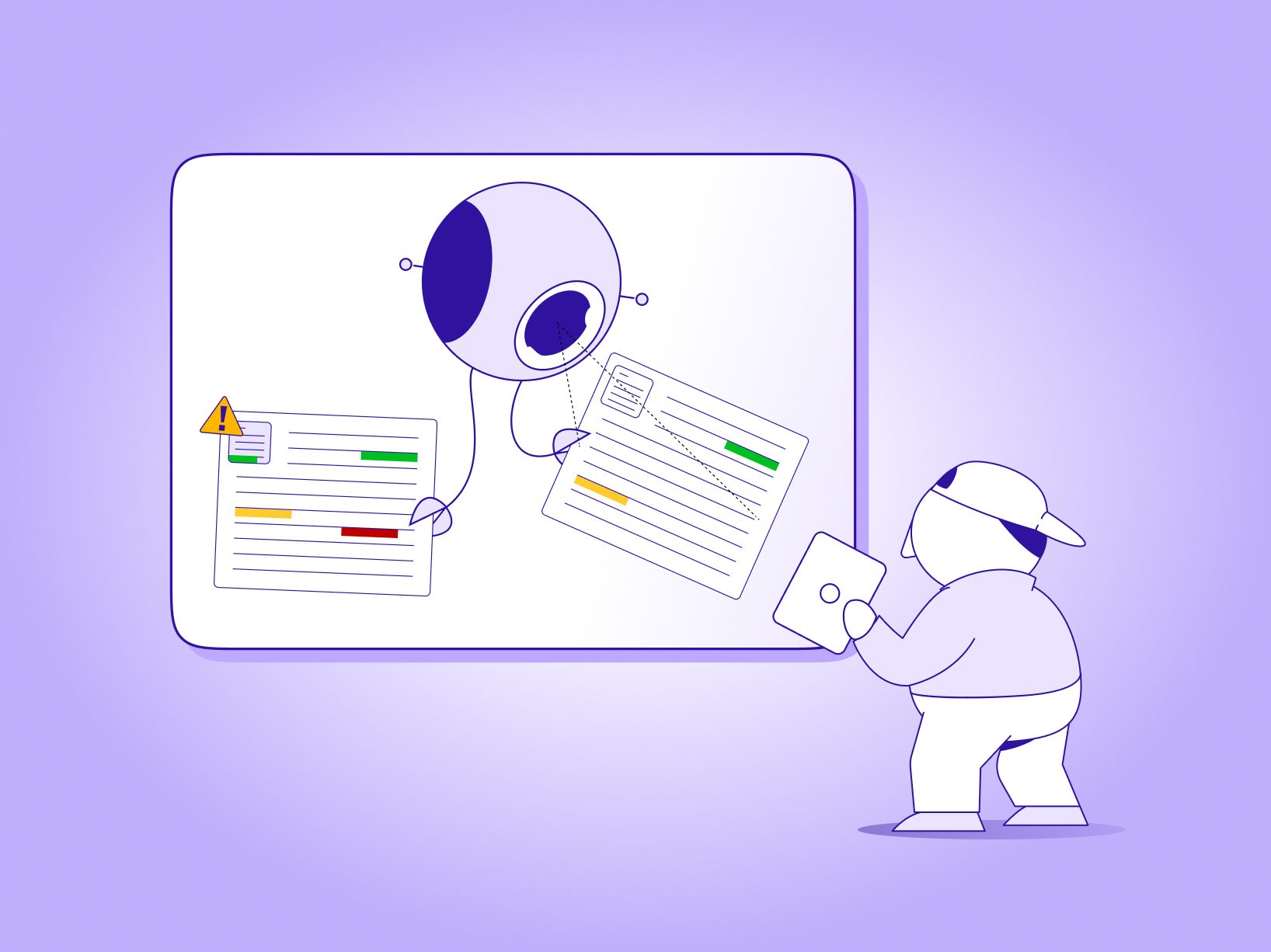
Human-in-the-loop AI is a design approach where people stay involved in a model's training, validation, or live decisions instead of letting the system run unsupervised. A person reviews, corrects, or approves outputs at defined checkpoints, catching errors that model confidence scores alone would miss.
The term gets used loosely. Some teams mean a person labeled the training data once, months before deployment. Others mean a live approval gate on every output. Both are human-in-the-loop AI, but they solve different problems and cost wildly different amounts to run. A model that draws on a data labeling pipeline reviewed by trained annotators is human-in-the-loop at the training stage. A fraud system that routes a flagged transaction to an analyst before it clears is human-in-the-loop at the execution stage. Confusing the two is how teams end up under-resourcing the checkpoint that actually needed the investment.
The distinction matters because the stakes differ. Get training-stage review wrong, and the model learns the wrong pattern quietly, only surfacing months later as a drift in output quality. Get execution-stage review wrong, and a bad decision reaches a real customer or a real transaction in real time. Neither is optional if the use case has real consequences attached to a wrong answer.
Want fewer things landing in the review queue in the first place?
TaskMonk's platform runs pre-labeling from trained models before a task ever reaches a human, so reviewers spend their time on the calls that actually need judgment instead of the routine ones.

How human-in-the-loop AI works
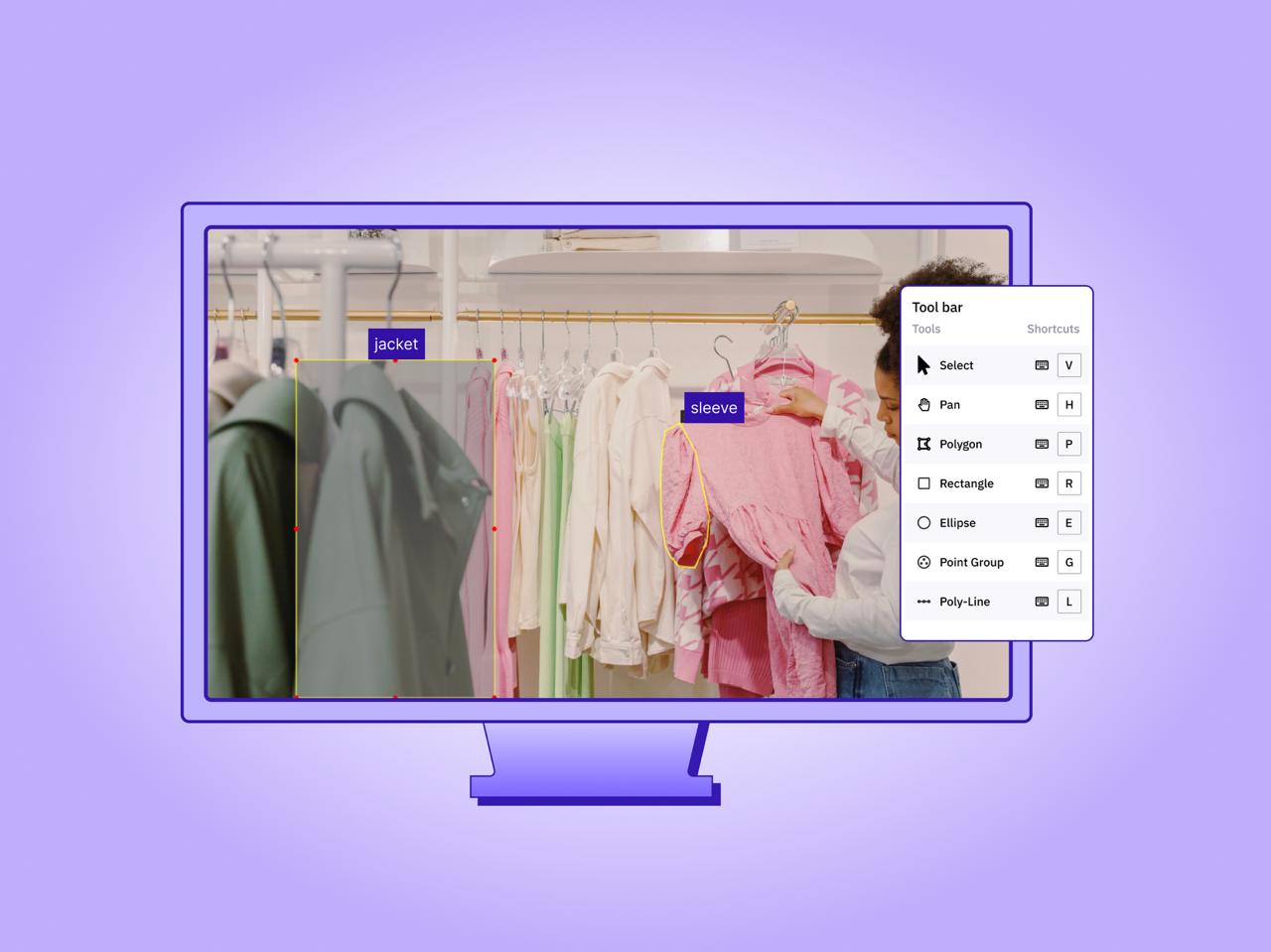
During Model training: People label or rate the data the model learns from. This includes plain-language annotation as well as newer methods like reinforcement learning from human feedback, where reviewers rank or score candidate model outputs so the model learns which responses people actually prefer. RLHF is now the dominant technique for aligning large language models with what a human would consider a good answer, and it depends entirely on the quality of the humans doing the ranking.
During Model execution: The model produces a draft decision or output, and a person verifies it before it goes live. This is the checkpoint people usually picture when they hear "human-in-the-loop": a radiologist confirming an AI-flagged scan, an underwriter reviewing a model's loan recommendation, a moderator deciding an edge case the classifier could not resolve confidently.
After execution, human corrections and overrides feed back into the system. This closes the loop. Without it, the model never improves on the specific failure modes reviewers keep catching, and the same errors resurface indefinitely.
Pro tip: Not every checkpoint needs the same reviewer. Route factual, low-ambiguity corrections to any qualified reviewer, and reserve domain experts for judgment calls like tone, safety, or clinical context. Mixing the two wastes your best reviewers on work anyone could do.
Want a closer look at what HITL review actually looks like in practice?
TaskMonk's roundup of HITL annotation tools for LLM evaluation breaks down how different platforms structure the review step.
Human-in-the-loop vs. human-on-the-loop
These two terms get used interchangeably and they should not be. Human-in-the-loop means a person is a required step before an action completes. The system waits. Human-on-the-loop means a person can monitor and intervene, but the system does not wait for permission. It acts, and a human can override or stop it if something looks wrong.
The difference is who has the authority to prevent an action, and when. A content moderation queue where nothing publishes until a reviewer clicks approve is in-the-loop. A fraud detection system that blocks a transaction automatically, with a human able to reverse the block afterward, is on-the-loop. Both count as human oversight. They fail differently, though: in-the-loop systems fail by creating bottlenecks when review capacity cannot keep pace with volume, and on-the-loop systems fail by letting a bad action complete before anyone catches it.
Most mature AI systems use both, at different points. Training and high-stakes execution stay in-the-loop. Lower-stakes, high-volume execution moves to on-the-loop with sampling-based spot checks, which is really just calibrated in-the-loop review applied selectively rather than universally.
Switching a workflow from in-the-loop to on-the-loop usually means an engineering ticket.
TaskMonk's no-code workflow builder lets you reconfigure QC checkpoints & review depth, without waiting on a sprint.
Where human-in-the-loop AI matters most in 2026
The use cases people usually cite here are healthcare, finance, and content moderation, and they still hold. A radiologist confirming a diagnosis, an underwriter reviewing a flagged loan, a moderator ruling on a borderline post: these are still the clearest examples of where a wrong automated call has a direct human cost.
What has changed heading into 2026 is agentic AI. Agents that plan multi-step actions and call tools on their own raise the stakes on where the human checkpoint sits, because an agent can chain several decisions together before anyone reviews the first one. An agent that books a wrong meeting is a minor annoyance. An agent that moves funds, deletes records, or sends a customer communication based on a flawed intermediate step is not. Teams building autonomous AI systems are learning that the checkpoint has to sit before the consequential action, not after the full task completes, or the review happens too late to matter.
Regulation is pushing in the same direction. The EU AI Act classifies certain automated decision systems as high-risk and requires meaningful human oversight for them, which is forcing teams that treated human review as a nice-to-have to make it a documented, auditable part of the system instead. That shift alone is changing how teams design HITL, from an informal safety net into a specified control with a paper trail.
Pro tip: If your agent's human-in-the-loop checkpoint is an approval button with no rejection path and no record of why something was approved or blocked, you do not have oversight, you have a rubber stamp. The checkpoint needs a reason field and an audit trail, not just a yes.
Building oversight into an agentic or high-volume pipeline?
See how TaskMonk's managed data labeling services structure QC around risk level instead of a flat review rate.
The design problem nobody answers: how much human is enough
Here is the part most articles around HITL skip: Adding a human checkpoint is easy. Deciding how much human, on which tasks, and how that changes over time, is the actual engineering problem, and almost nobody writes about it because the honest answer is "it depends" and that is a hard thing to sell.
The instinct on a new system is to review everything. That is the right instinct on day one, when you have no data on where the model is reliable. It is the wrong instinct six months in, when review capacity is the bottleneck and most of what gets reviewed is correct. The teams that get this right do not pick a fixed sampling rate and leave it alone. They calibrate: route more review to lower-confidence outputs and to reviewers whose recent accuracy has dipped, and let high-confidence, consistently accurate work move through with lighter spot checks instead of full review.
Comparison: How Teams Route Human Review
This is where training data work and live-system oversight turn out to be the same problem wearing different clothes. A model that ranks candidate outputs during RLHF and a fraud system routing flagged transactions to an analyst are both solving "who needs to look at this, and how urgently." The teams that treat that as one calibration problem, instead of two unrelated tools, spend less on review and catch more of what actually matters. This is also where a well-structured manual versus automated data labeling strategy earns its keep, since the routing logic has to live somewhere reviewers and engineers can both see and adjust it.
Pro tip: Start every new human-in-the-loop workflow at full review, and only start reducing it once you have enough model-versus-human agreement data to trust a threshold. Skipping this step is how sampling rates end up chosen by feel instead of by evidence.
How TaskMonk supports human-in-the-loop AI pipelines
Most annotation platforms treat human review as a toggle: on for every task, or off and hoping the model holds up. That works until volume outpaces reviewer capacity, which is exactly when teams need calibrated routing the most and have the least time to build it themselves.
Here is how Taskmonk does better by going the other way:
Dynamic, accuracy-based routing: TaskMonk's DynamicPercentageRule routes tasks to QC based on a reviewer's rolling accuracy average over the past month rather than a flat sampling percentage. Configurable accuracy bands and a minimum submit count mean a new or inconsistent reviewer gets checked more often, and a proven one gets checked less, automatically. That is the calibration problem described above, built into the routing logic instead of left to a spreadsheet someone forgets to update.
Matched review depth by task risk: Maker-Checker, Maker-Editor, and Majority Vote with a configurable Consensus Percentage let a team apply the review method the task actually needs. Simple classification can run Maker-Checker. Ambiguous, high-disagreement work can route to Majority Vote so multiple annotators weigh in before a label is accepted.
Blind ground-truth measurement: Golden Data interleaves ground-truth-labeled tasks into normal allocation, invisible to the annotator, and produces a Golden Accuracy score in reporting. This is what actual calibration needs: a real accuracy signal, not a self-reported one, feeding the routing decision.
Judgment calls handled before they become errors: The Clarification Flow gives labelers a dedicated Clarifier role to query mid-task, before submitting, instead of only catching the mistake after the fact in QC. That shifts part of the checkpoint earlier, which is usually cheaper than fixing it downstream.
Those four mechanisms are how the routing question gets answered in practice, not just described. At TaskMonk's scale, that shows up in the numbers:
TaskMonk has processed 480M+ tasks across 6M+ labeling hours, supports 10+ Fortune 500 teams, and holds a 4.6 out of 5 rating on G2.
If you want to see how calibrated routing performs on your own data, book a demo with the TaskMonk team. They will walk your actual task mix through the platform so you can see review rates and accuracy bands before committing to anything.
Conclusion
The invisible cost of getting human-in-the-loop AI wrong is not usually a dramatic failure. It is a slow one: reviewers burning hours on tasks that stopped needing them months ago, or a genuinely risky checkpoint getting the same light-touch sampling as everything else because nobody revisited the plan after launch.
The teams that get this right treat human involvement as something to measure and adjust, not something to set once and forget. They know which checkpoints are in-the-loop and which are on-the-loop, they have real accuracy data feeding the routing decision, and they revisit both as the system and its failure modes change.
The question worth asking about any AI system is not whether a human is in the loop. It is whether anyone can say, with data, exactly when & how much human that loop actually needs.
Frequently Asked Questions
What is human-in-the-loop AI?
It is a design approach where people stay involved in a model's training, validation, or live decisions instead of letting the system run fully unsupervised. A reviewer checks, corrects, or approves outputs at defined points, which catches errors that model confidence scores alone would miss. How much human involvement a system needs depends on the stakes of a wrong answer and how reliable the model has proven to be on that specific task.
What is the difference between human-in-the-loop and human-on-the-loop?
Human-in-the-loop means the system waits for a person before an action completes. Human-on-the-loop means the system acts on its own and a person monitors it, able to intervene or reverse an action after the fact. Most mature systems use both: in-the-loop for training and high-stakes execution, on-the-loop with sampling for lower-stakes, high-volume work.
Does agentic AI still need a human in the loop?
Yes, and arguably more than simpler automated systems, because an agent can chain several decisions together before anyone reviews the first one. The checkpoint needs to sit before a consequential action rather than after the full task finishes, or the review comes too late to catch anything. Low-stakes agent actions can often run on-the-loop; anything touching money, records, or customer communication generally still needs an in-the-loop gate.
Is human-in-the-loop required by AI regulation like the EU AI Act?
For certain systems, yes. The EU AI Act classifies specific automated decision systems as high-risk and requires meaningful human oversight for them, which means documented, auditable review rather than an informal safety net. Even outside systems formally in scope, teams are increasingly building HITL checkpoints as a documented control rather than an ad hoc step, since that is the direction regulation and buyer expectations are both heading.
Where does human-in-the-loop fit into training data and RLHF pipelines?
It is where most of the actual human-in-the-loop decisions get made, well before a model ships. Annotators label and correct training data, and in reinforcement learning from human feedback, reviewers rank or score candidate outputs so the model learns what a good answer looks like. The accuracy and consistency of that review work is usually the single biggest lever on how much oversight the deployed system will need later.