Top Scale AI Alternatives for Faster Data Annotation in 2026
Top Scale AI Alternatives for Faster Data Annotation in 2026
TL;DR
Scale AI is built for large, long-term data annotation programs where volume and consistency matter more than speed. Its model works well for enterprises with stable datasets, fixed workflows, and multi-year contracts.
Its platform + workforce model delivers consistent quality, but is optimized for scale over speed and flexibility.
Scale AI’s close alignment with Meta has further reinforced its focus on hyperscale, enterprise-only engagements.
In 2026, many teams need faster turnaround, changing workflows, and more control over how annotation fits into model iteration.
That shift has driven demand for Scale AI alternatives that combine automation, expert oversight, and flexible engagement models.
Here are the platforms we evaluated and what buyers actually shortlist
- Managed, enterprise alternative: Taskmonk
- Platform-first options: Labelbox, Encord
- QA- and governance-led tooling: SuperAnnotate
- Research/niche data: Prolific, Labellerr
Introduction
For much of the past decade, Scale AI set the benchmark for enterprise data annotation. It became the default partner for autonomous driving programs, government AI initiatives, and frontier model builders by delivering what few others could at the time: high-quality labeled data at a massive scale with operational reliability.
That position began to evolve as Scale AI was acquired by Meta.
As Meta emerged as a major strategic partner and customer, Scale AI’s roadmap increasingly aligned with long-term, enterprise-grade engagements. For hyperscalers and large defense or automotive programs, this reinforced trust and stability. For other enterprise teams, especially those iterating rapidly, it introduced new trade-offs around flexibility, prioritization, and speed.
At the same time, the way AI teams build models has undergone a fundamental change.
In 2026, training data is dynamic. Enterprises retrain models frequently, work with multimodal datasets, and expect annotation pipelines to adapt just as quickly as their experimentation cycles.
This shift has driven growing interest in Scale AI alternatives. Not because Scale AI is no longer capable—but because many enterprises now require greater agility alongside scale.
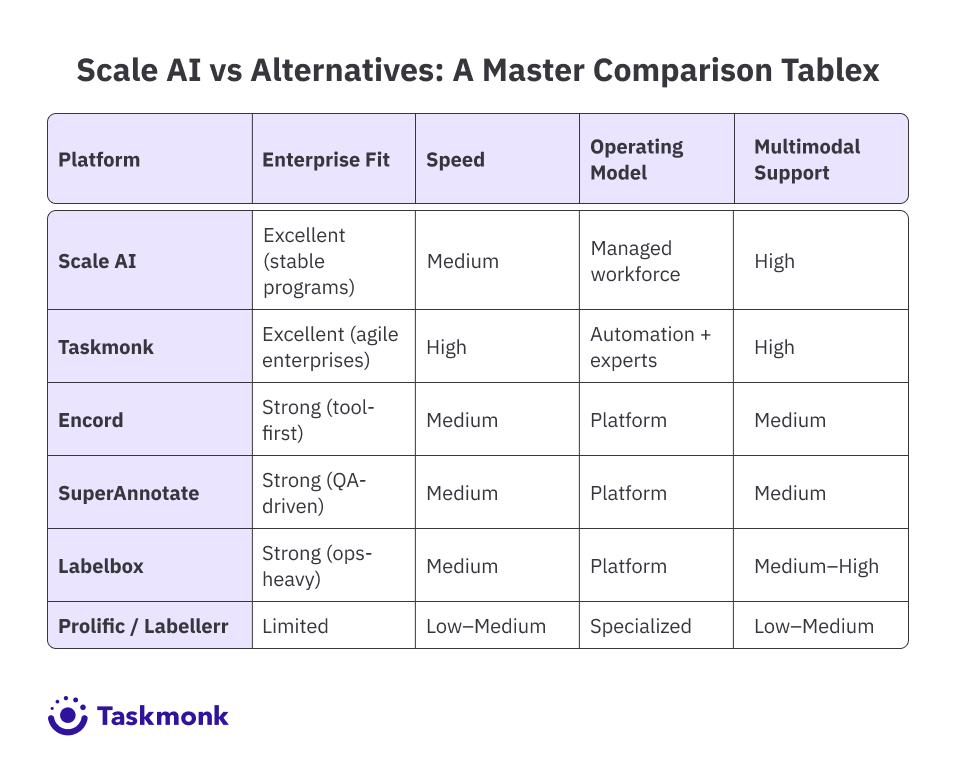
This guide compares the most relevant alternatives to Scale AI in 2026, showing how leading Scale AI competitors differ in speed, operating model, and enterprise flexibility.
What is Scale AI?
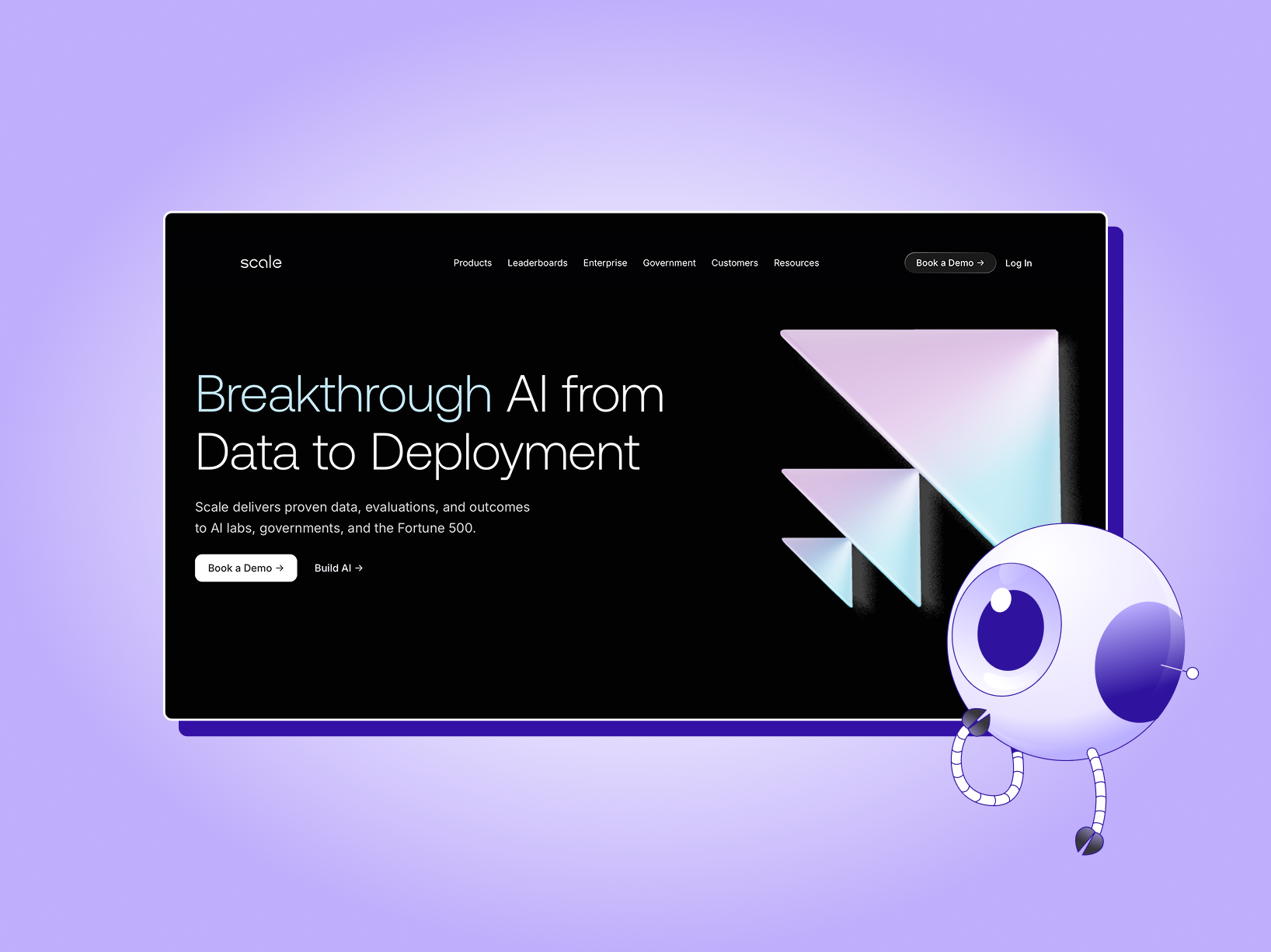
Scale AI is a data annotation company that works primarily with large enterprises. It helps teams prepare training data for machine learning models across computer vision, language, and multimodal use cases.
Scale AI is known for handling large, long-running labeling programs. Its approach combines an internal annotation platform with a managed workforce, which allows enterprises to label high volumes of data with consistent quality when requirements remain stable.
In recent years, Scale AI has developed a close working relationship with Meta through investment and long-term commercial agreements. Meta is now one of Scale AI’s largest customers. This relationship has reinforced Scale AI’s focus on large, enterprise-scale projects built for long timelines and predictable workloads.
For teams running frequent model updates, evolving datasets, or rapid experimentation cycles, it can introduce operational rigidity, leading them to evaluate Scale AI alternatives designed for faster iteration and workflow flexibility.
Why Teams Are Looking for Scale AI Alternatives in 2026
Top Scale AI Alternatives in 2026
Platforms below are evaluated relative to Scale AI across:
-
Taskmonk
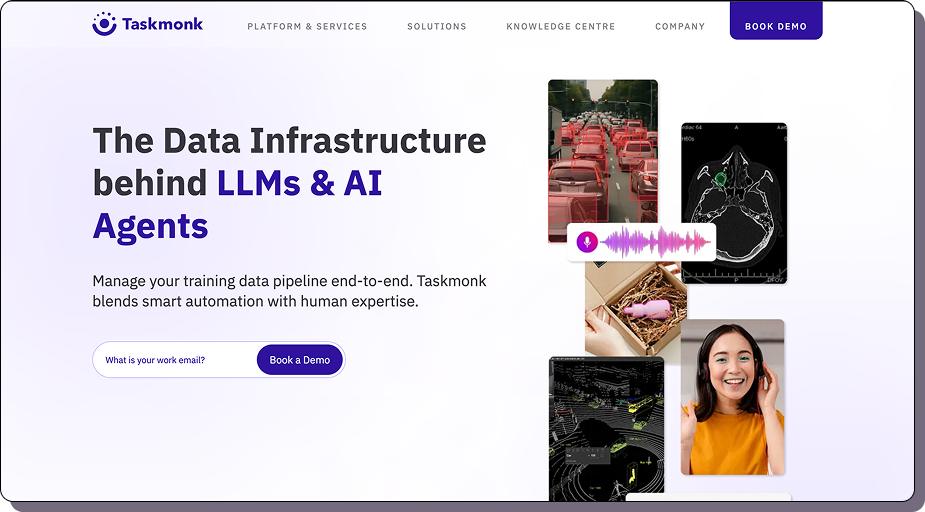
Taskmonk is positioned as an enterprise-preferred alternative to Scale AI for organizations that need both scale and speed.
Where Scale AI emphasizes large, stable programs supported by extensive human workforces, Taskmonk focuses on AI-driven automation backed by custom workflows with expert human validation layered in strategically. This allows enterprises to maintain Scale-level quality while significantly improving turnaround time and flexibility.
Compared to Scale AI, enterprises choose Taskmonk for:
- Faster iteration cycles without sacrificing quality
- Strong support for image, text, and multimodal datasets
- Workflow orchestration designed for evolving data schemas
- Greater transparency and adaptability in enterprise engagements
Taskmonk is commonly adopted by enterprises that want to move as fast as their ML teams without being constrained by annotation models built for a previous generation of AI development.
Explore their image annotation, multimodal data, and their guide on choosing a data labeling platform. -
Encord
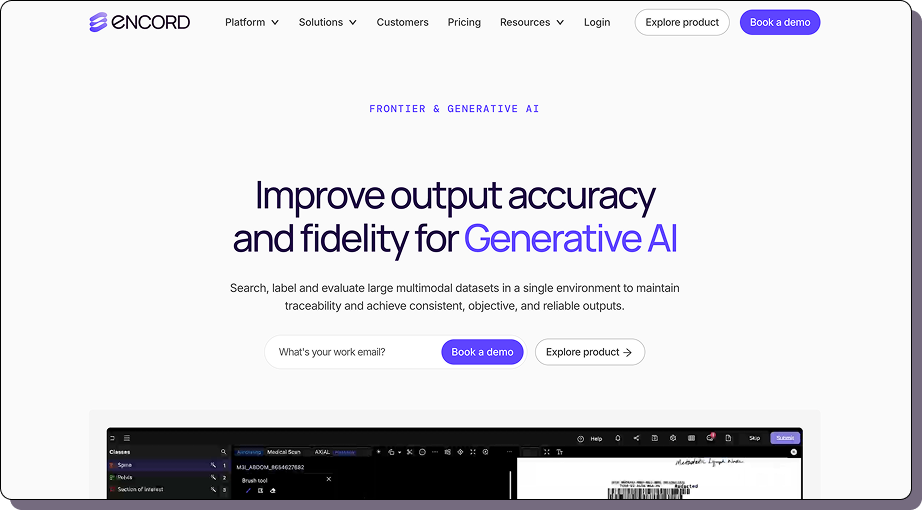
Encord is often evaluated as a platform-first alternative to Scale AI, particularly for computer vision–heavy enterprises.
Relative to Scale AI:
- Encord offers more direct control over datasets and annotation logic
- Enterprises retain ownership of annotation operations
- Less reliance on managed services
Trade-offs vs Scale AI:
- Requires internal annotation teams or external labor partners
- Less suitable for enterprises seeking end-to-end managed annotation at scale
Best fit:
Enterprises with mature ML teams that want tooling flexibility rather than a fully managed Scale AI–style service. -
SuperAnnotate
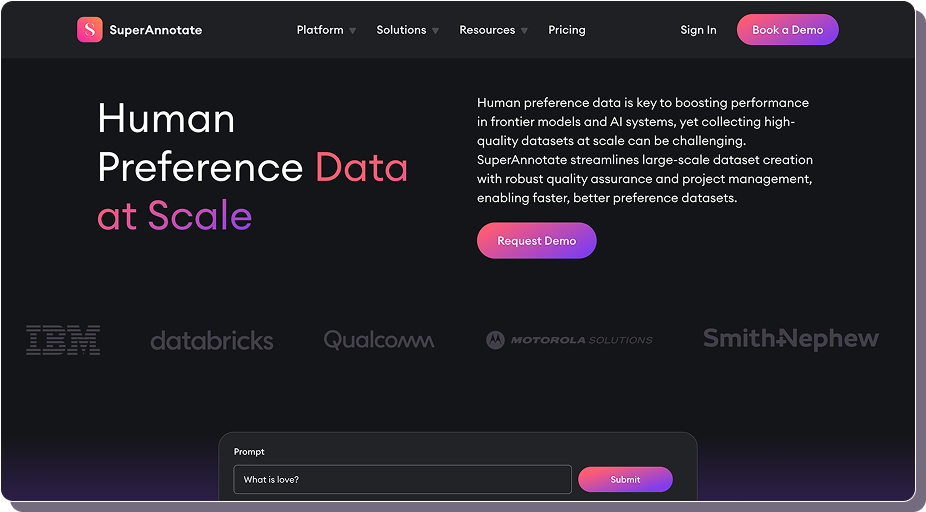
SuperAnnotate competes with Scale AI on governance and quality control, not managed scale.
Relative to Scale AI:
- Stronger collaboration, review, and audit workflows
- Greater internal oversight of annotation quality
Limitations compared to Scale AI:
- Annotation speed depends heavily on internal process maturity
- Less impact on turnaround time without automation layers
Best fit:
Enterprises prioritizing QA, compliance, and internal control over outsourced scale. -
Labelbox
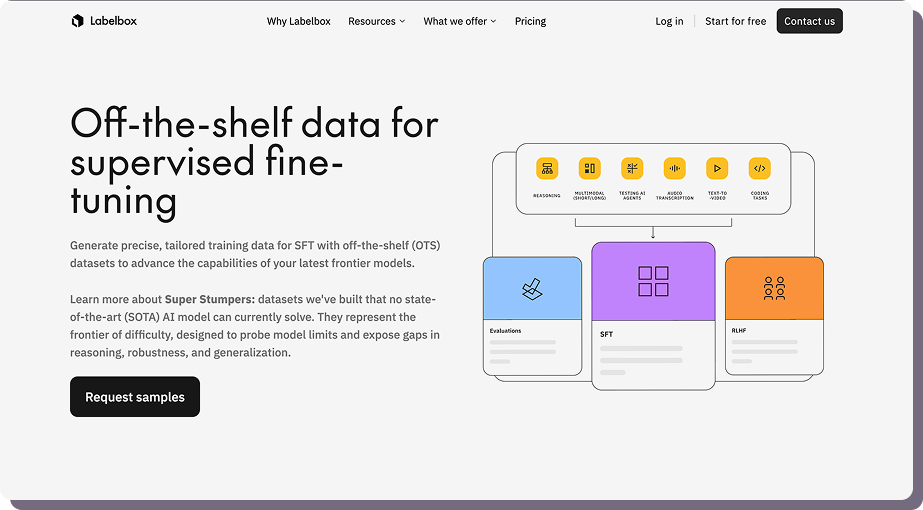
Labelbox is one of the most direct Scale AI competitors in enterprise evaluations.
Compared to Scale AI:
- More flexible tooling and ML-assisted labeling
- Less dependency on managed annotation services
Trade-offs enterprises note:
- Requires significant internal setup and ops ownership
- Costs can increase as usage scales without automation
Best fit:
Enterprises that want a powerful annotation platform but are prepared to manage processes internally. -
Labellerr / Prolific
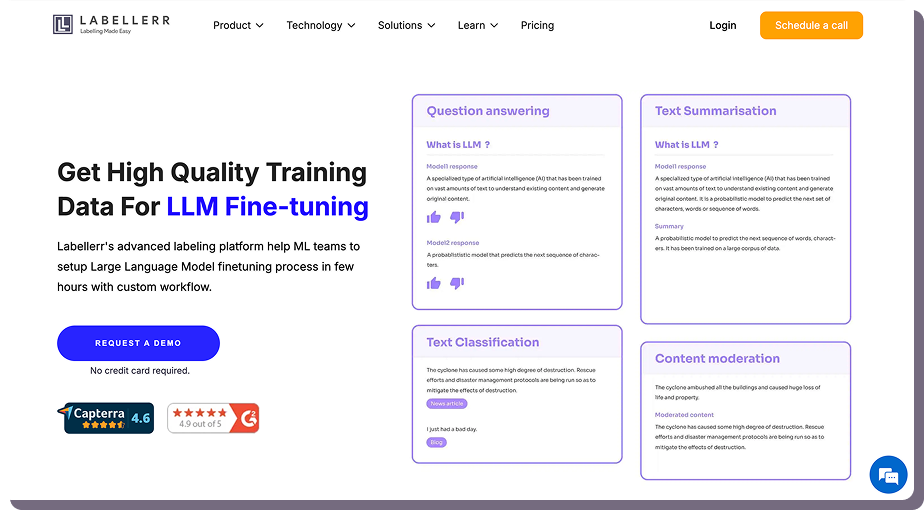
Prolific and Labellerr are typically evaluated as complements rather than direct replacements for Scale AI.
Relative to Scale AI:
- Better suited for research-driven, behavioral, or niche datasets
- Not designed for continuous, high-volume enterprise production workflows
While Labellerr can support production annotation at scale when enterprises already have in-house labeling teams and well-defined processes, it is more commonly evaluated as a tool-first option rather than a fully managed alternative to Scale AI.
Best fit: Enterprise research teams, innovation labs, and experimental or exploratory AI initiatives.
How to Choose the Right Scale AI Alternative
Choosing the right alternative to Scale AI comes down to how your organization actually uses labeled data.
Before shortlisting, enterprise teams should pressure-test vendors on a few practical questions:
Many enterprises make the mistake of comparing vendors only on scale or price. In practice, the better signal is how well a vendor fits your iteration cycle and how quickly labeled data can move from request to model training without friction.
For a deeper, step-by-step framework—including evaluation criteria, red flags, and procurement considerations- check our guide on how to choose a data labeling platform. It’s especially useful for teams evaluating Scale AI alongside newer, more flexible alternatives.
Bottom line:
The right Scale AI alternative is the one that aligns with how fast your AI teams move today—not how annotation was done when your first models went into production.
Conclusion
Scale AI continues to play an important role in enterprise AI. For organizations running large, predictable annotation programs, its model still delivers reliability at scale.
What has changed in 2026 is not the quality of Scale AI, but the way enterprise AI teams work on AIprojects.
Many enterprises now retrain models more often, work with multimodal data, and adjust labeling requirements as models improve. In these environments, annotation speed, workflow flexibility, and automation matter just as much as raw scale. That’s why Scale AI is no longer evaluated in isolation.
Instead, teams are shortlisting a mix of managed partners, platform-first tools, and workflow-driven alternatives, each aligned to how fast their AI systems need to evolve. Vendors like Taskmonk are increasingly considered where enterprises want Scale-level quality, but with faster turnaround and more adaptable delivery models.
Each of the partners on the list has various differentiations. The right choice ultimately depends on how stable your data is, how often your models change, and whether annotation is a background operation or a direct driver of AI performance.
.jpeg)
FAQs

.png)